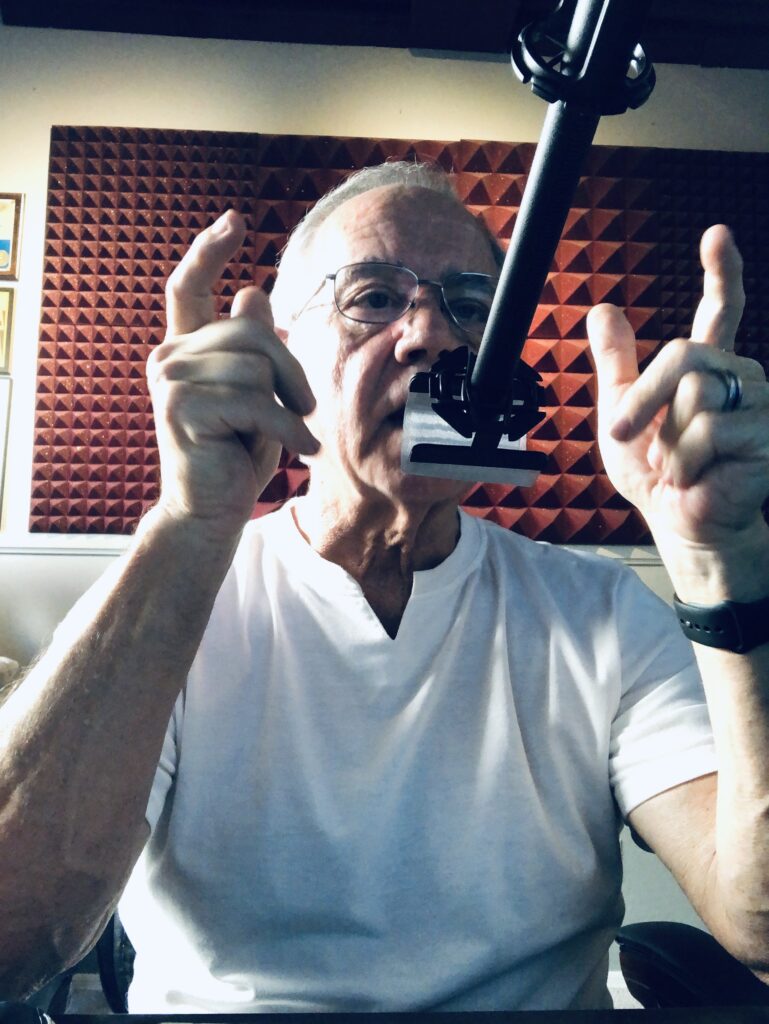
So….In 2024, You Want to be a Voice Actor, eh?

Voice Acting is an art and requires lots of training/coaching, education, money, dedication, determination and not be thin-skinned. As an example, out of all the auditions I do, perhaps in 100 auditions, I may get 1 job. Just think, I can dribble and shoot a basketball, but I’m not in the NBA. Catching my drift? Here’s a VO friend of mine who wrote a great article you should read. After you do, Google “VOICE ACTING”, “VOICE TALENT”, etc and read, read, read. You have a long road ahead of you if you are set in going forward with Voice Acting.
https://www.audioconnell.com/clientuploads/pdf/The_Voice_Over_Entrance_Exam_by_Peter_K_OConnell_Copyright_2009.pdf

Think it through thoroughly before you jump into our pool. You need to be ready to invest a lot of time and money into yourself. And have thick skin to take the rejection that we receive when we audition job after job – give it our all and still not get a call-back. It’s tough, but you need to use auditions as a tool to learn and strengthen yourself.

Wanted to toss a few things out there before we speak together so you can be thinking about what you are asking for. Honestly, I try my best to discourage people in trying to get into our biz right now. It’s a vicious circle. You must have a dynamite voice demo in order to get decent work. In order to have a demo, you should take training from a qualified coach. In order to get those ongoing auditions, you will need a quality studio. So if you do get a job, you can deliver a high quality audio file and the client may wish to direct you, so you need a phone patch too just to start. Obviously, this takes a lot of time, money, perseverance and a thick skin to endure the countless auditions it will take to get the job and the many, many rejections you’ll get every day. You must be ready to be available at a moments notice to be able to cut audio. I know many voice actors that are doing this full time and are still struggling. I am full time as a voice actor since 2006 after 35 years in radio where I started by biz on the side. It only took me 40+ years to be an overnight success.

Do you have what it takes to compete with these other hungry voice talents? There are over 300-400,000 out there now. That’s a small piece of pie to split even though there is a lot of work out there. Ask yourself these questions: • Are you planning on investing in yourself to be a full time voice actor or is this to be a side job? • Do you have access to a studio to work out of at a moments notice? • Do you currently have a Commercial demo? E-learning demo? Narrative Demo? • What are your strengths? Are you planning on specializing in any particular area of voiceovers? • What are your long range goals?

Let me know where you’re headed, I’d be happy to answer any of the questions above. Please respond via email. JG@johnnygeorge.com

I Thank you…. 

Is there life after being a Voice Actor?

Retirement sign for VO

Just how close are you to desiring to retire or semi-retire? Yes, there is life after being a voice actor, just as there is life after most other careers. Voice acting can be a fulfilling and enjoyable profession for those who have a passion for it, but like any career, it may not be a lifelong endeavor for everyone. Here are some things to consider:

  • Career Transition: Voice actors, like other professionals, may choose to transition to a different career or pursue other interests at some point in their lives. This could be for personal or financial reasons, or simply because they want a change.
  • Focus: If you do semi-retire, this is the perfect opportunity to super-serve your foundational clients that have been with you for consistent work to keep them pleased. You can scale back your marketing if your base clients can satisfy your budget.
  • Skill Transferability: Many skills acquired in voice acting can be transferable to other fields. For example, strong vocal and communication skills can be valuable in public speaking, teaching, sales, and other professions that require effective communication. what a great reason to join ToastMasters, Chamber of Commerce or other public speaking engagements to “stay in tune”.
  • Personal Interests: People often have a variety of interests and talents. After a career in voice acting, they may explore other creative pursuits, start a business, engage in community service, or delve into a completely different field based on their passions.
  • Retirement: Like any profession, voice actors may eventually retire from their career when they feel it’s the right time to do so. They can enjoy their retirement years and pursue leisure activities, travel, or spend more time with family and friends. The time to save for your retirement is NOW. Hopefully, you planned for this day to come. Check your budget and get that savings in gear for your later years. Check into your Social Security benefits if you haven’t already reached the age entitlement. (This Blog is dated in Winter 2023)
  • Side Projects and Entrepreneurship: Many voice talents may use their experience and skills to start their own businesses, such as voiceover agencies, recording studios, or training and coaching services for aspiring voice actors. But check around with other talents you trust to observe from their perspective and test the waters for this next endeavour before you make any major moves.
  • Teaching and Coaching: Voice actors with experience and expertise can transition into teaching or coaching aspiring voice actors, helping to pass on their knowledge and skills to the next generation. Again, are you qualified to coach or produce demos? Know your audience before hanging out your shingle. If qualified, you may consider becoming a Mentor. More on that on World-Voices.org.
  • Writing and Content Creation: Voice talents may explore writing, content creation, and other creative endeavors that align with their interests and talents.
  • Diversification: Many voice actors already have diverse careers, such as acting on screen, working as broadcasters, or engaging in various entertainment and media-related activities. They can continue to pursue these other avenues alongside or after their voice acting career.

__________________________________________________________________

In summary… life after being a voice over talent can take many forms, and it largely depends on the your goals, interests, and circumstances. Just like any other profession, it’s so very important to plan for the future and consider what comes next when transitioning out of voice acting or adding a side interest as the years progress.

Audio Books – To voice or not to voice

Recording an audiobook can be a rewarding endeavor, but it’s essential to consider the pros and cons before deciding if it’s the right choice for you. Here are some advantages and disadvantages of pursuing a voice-over career for audiobooks:

Audiobooks

Pros of Recording an Audiobook:

  1. Passive Income: Once your audiobook is published, it can generate passive income for years to come, as long as it continues to sell or get borrowed from platforms like Audible.
  2. Creative Expression: Audiobook narration allows you to express your creativity and bring a story to life through your voice, tone, and pacing.
  3. Flexibility: You can often work from a home studio or a recording booth, offering flexibility in your work schedule and location.
  4. Career Growth: If you establish yourself as a successful audiobook narrator, you may have the opportunity for more significant and lucrative projects.
  5. Intellectual Stimulation: Recording audiobooks can be intellectually stimulating, especially if you’re narrating a diverse range of genres and subjects.

Cons of Recording an Audiobook:

  1. Competitive Market: The audiobook industry is highly competitive, with many experienced narrators and professionals. Breaking into the market and finding consistent work can be challenging.
  2. Initial Investment: Setting up a home studio or renting studio time can require a significant initial investment in recording equipment and soundproofing.
  3. Time-Consuming: Recording an audiobook takes a considerable amount of time and effort, from preparation and research to actual narration and editing.
  4. Physical and Vocal Strain: Narrating for extended periods can be physically demanding, and it can strain your voice and body. It’s essential to take care of your vocal health.
  5. Variable Income: While some narrators make a good living, others struggle to earn a steady income. Your earnings can be unpredictable, especially when starting in the industry.
  6. Narration Skills: Not everyone is naturally skilled at narration. It takes practice and training to develop the right vocal techniques and storytelling abilities.
  7. Rights and Royalties: If you are not the author of the book, you’ll need to negotiate rights and royalties with the author or publisher, which can be complex.

Personally, I prefer to focus my voiceover efforts to other genres in our industry. The amount of time required to spend for getting ready and performing the project can be overwhelming. However, there are many of my fellow VO people that absolutely love to record these books and they do it quite well. Frankly, I’d rather spend 30 minutes with a producer online and work together to generate a good rate, than work for weeks, maybe months to achieve the same remittance.

Before deciding to record an audiobook, it’s essential to evaluate your passion for the work, your commitment to honing your skills, and your financial situation. If you have a love for literature and storytelling, are willing to invest in training and equipment, and are prepared for the challenges of a competitive market, recording an audiobook could be a fulfilling and potentially profitable endeavor. It’s also a good idea to start with shorter projects to gain experience before taking on larger audiobook productions.

What are 13 of the best ways to capture the Voice Over industry?

Lucky 13
  1. Create a Professional Website: Establish an online presence with a professional website that showcases your voice samples, portfolio, and contact information. A well-designed website can help potential clients find you and learn more about your skills.
  2. Utilize Online Marketplaces: Join online platforms like Bodalgo, VO Planet, or Upwork to create a profile and showcase your voice samples. These platforms connect voice talent with clients seeking their services.
  3. Network: Attend industry events, join social media groups, and participate in voice acting forums to connect with fellow voice actors and potential clients. Networking can lead to word-of-mouth referrals and collaborations.
  4. Social Media: Promote your work on social media platforms like LinkedIn, Twitter, and Instagram. Share snippets of your voice work, engage with potential clients, and build a following.
  5. Email Marketing: Build a list of potential clients and regularly send them updates about your services, recent projects, and special offers. A well-crafted email marketing campaign can help keep you top-of-mind.
  6. Demo Reels: Create a professional demo reel that highlights your voice range and versatility. Share this reel on your website and with potential clients to showcase your skills.
  7. Cold Outreach: Research companies or industries that frequently require voice talent and reach out to them directly. Craft personalized messages that demonstrate your value and skills.
  8. Voiceover Agencies: Consider signing up with a reputable voiceover agency. They can help you find clients and provide valuable industry connections.
  9. Online Casting Calls: Keep an eye on casting call websites and audition for voice over projects. Websites like CastingCallClub, and Backstage regularly post casting calls for voice actors.
  10. Continuous Improvement: Hone your skills and stay up to date with industry trends. Consider taking voice acting classes and workshops to improve your craft. The better you become, the more attractive you’ll be to potential clients.
  11. Customer Testimonials: Encourage satisfied clients to leave testimonials on your website or other platforms. Positive reviews can build trust with potential clients.
  12. Join Industry Organizations: Consider joining organizations like the World-Voices Organization (WoVO) or the Society of Voice Arts Sciences (SOVAS). Being a part of such groups can provide credibility and networking opportunities.
  13. Niche Specialization: Specializing in a particular niche, such as video game voices, e-learning, or commercial advertising, can help you stand out and attract clients looking for expertise in that area.

Remember that building a client base takes time and persistence. Consistency and professionalism in your marketing and client interactions are key to finding success as a voice talent. Additionally, consider investing in high-quality recording equipment and soundproofing for your home studio to ensure your work meets professional standards.  More on specifics later.

A dozen important ways to launch your Voice Actor career

Launching a career as a voice actor can be an exciting journey, but it requires dedication, persistence, and a combination of talent and skill. Here are the steps you can follow to get started:

  1. Self-assessment:
    • Evaluate your voice: Determine what kind of voice you have (e.g., deep, soothing, energetic, character-driven) and where it might fit in the voice acting industry.
    • Identify your strengths: Recognize your natural talents, such as mimicry, accents, or character creation.
  2. Training:
    • Take acting classes: Acting skills are crucial for voice acting. Look for acting schools, community colleges, or online courses that offer voice acting or general acting classes.
    • Voice training: Consider taking voice lessons to improve your vocal range, control, and stamina.
    • Character development: Practice creating unique character voices and accents.
  3. Build a home studio:
    • Invest in a good-quality microphone, headphones, and audio recording/editing software.
    • Set up a quiet and soundproof recording space in your home.
  4. Create a demo reel:
    • Your demo reel is your calling card in the voice acting industry. It should showcase your versatility and skills.
    • Record samples of various voice styles and characters to demonstrate your range.
  5. Develop your portfolio:
    • Record sample scripts, commercials, and character dialogues to build a portfolio that demonstrates your skills.
    • Keep these recordings organized and easily accessible.
  6. Market yourself:
    • Create a professional website or social media profiles to showcase your work, resume, and contact information.
    • Join online voice acting communities and forums to network and learn from others in the industry.
    • Attend voice acting workshops, conventions, and industry events to connect with professionals.
  7. Audition for projects:
    • Start auditioning for voice acting roles on online platforms like Voices.com, Voice123, or through talent agencies.
    • Audition for both paid and unpaid roles to gain experience and build your resume.
  8. Build a professional network:
    • Connect with casting directors, producers, and fellow voice actors in the industry.
    • Networking can lead to more opportunities and referrals.
  9. Seek representation:
    • Consider getting an agent or talent manager to help you find more voice acting gigs.
    • Agents have industry connections and can negotiate better deals on your behalf.
  10. Continuous improvement:
    • Keep honing your craft by taking workshops and classes, and consistently practicing your voice acting skills.
    • Stay up-to-date with industry trends and technology.
  11. Stay persistent:
    • Voice acting can be a competitive field, and success may not come overnight. Be prepared for rejection and keep auditioning.
    • Maintain a positive attitude and stay persistent in pursuing your goals.
  12. Diversify your skills:
    • Explore different types of voice acting, such as commercial, animation, video games, narration, and audiobooks, to broaden your opportunities.

Remember that building a career in voice acting takes time and dedication. Be patient and persistent, and with the right training and effort, you can find success in this creative field.