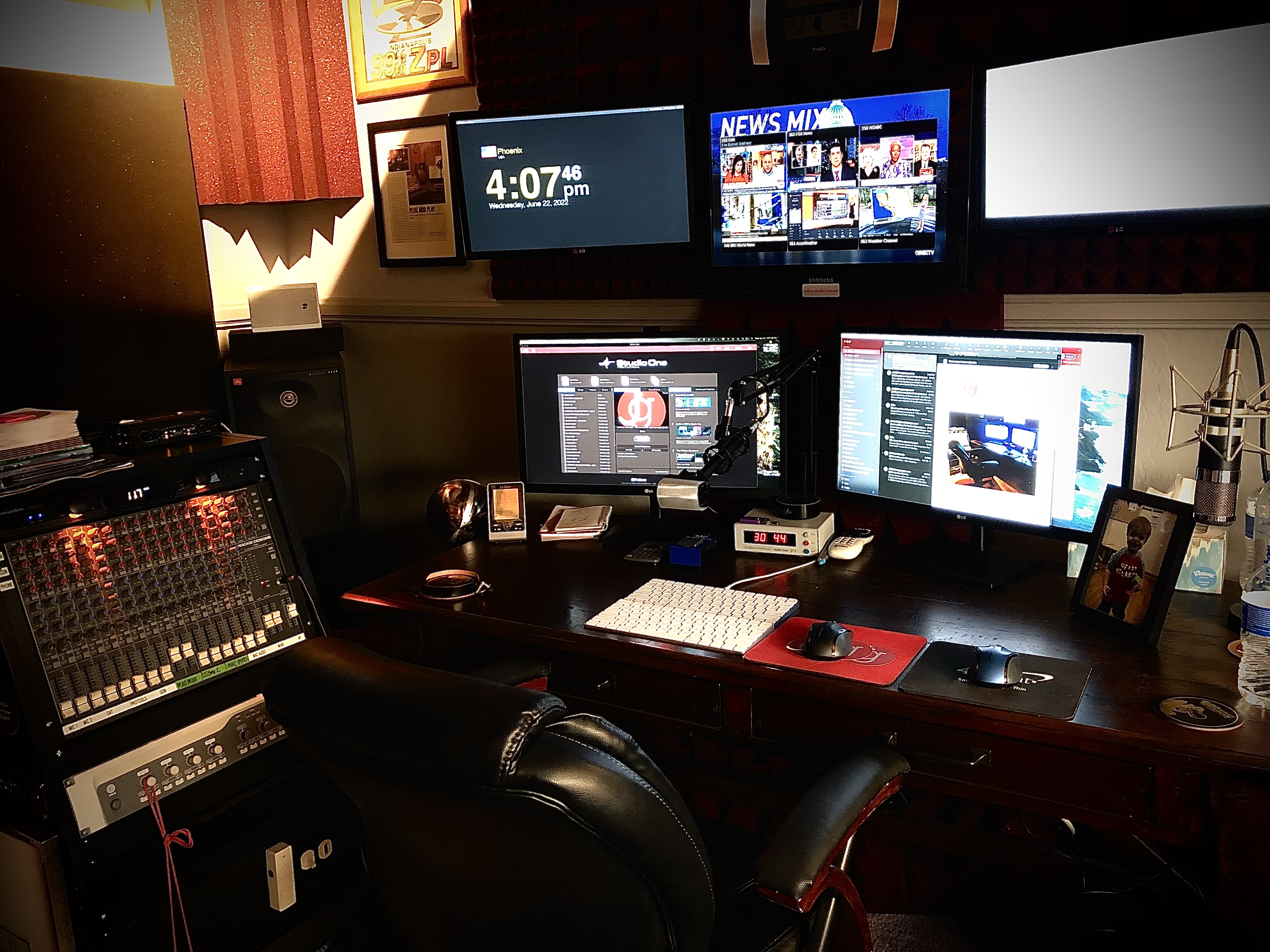
Are you READY? Got Time & money?

Always remember this: I can play basketball, but do not have the talent to compete in the NBA. I can throw a football but have no chance in the NFL. Do you? Just because you have a voice, so does everyone else. Can you read better than the average guy or gal? I think you can. But there is just SO MUCH MORE to learn. It’s NOT as easy as many will tell you. (They probably want your money)

I used to get anywhere from 1-18 auditions daily from Voice 123. I prefer to choose ONLY those that I think I can NAIL. You only have one chance to make a first impression, so you must be ready when you start sending in auditions. The client or agent will form an opinion of you the first time they hear you. If you’re not ready, you screw yourself for subsequent future auditions. Eventually they will forget about you and then you can send them in again with a “clean slate” – but do you really want to smudge your reputation by chance that you may be branded as “not being ready” the first time around? 

I’ve been with them since 2003 and only have received about 24 jobs out of hundreds and hundreds from one Pay-To-Play site. Granted, I am very picky and may go 3 weeks before I have time to do an audition, due to my regular load. Money makers always come first. But I also know a voice talent gal that gets a job almost every other day and has done 120+ jobs in the last year. She’s a go getter and one who auditions as soon as they come through. BTW…about 60% of the client I have done work for through those specific auditions, I have retained the client as a regular with my biz. 

There are many P2P sites out there. Some are ok, some are good, and some are great! Besides Voice 123, there is Bodalgo, Voice Planet, Voice Realm, VOquent and many more that you may find while searching the Net. I’m purposely not listing some due to experiences I’m had and what others have shared with me. Note: Your mileage may vary.

Do not start to audition until you are ready. Do you have a studio setup? (runs 500.00 – 2000.00 minimum) I spent 25,000 on my first studio in 1993 and have kept it up to date pretty much since. Have you trained with a qualified coach to find out what you do know…if you are doing it right…and can you improve? I attended Faffcon, a voiceover “unconference” annually until they stopped in 2018.  Additionally, I have attended WoVOCon – the World Voices Organization conference since 2012 and continue with the latest ones scheduled. By the way, Faffcon originator, Amy Snively, has graciously agreed with the WoVO Executive Board, to allow them to use her format she developed years ago, which has proven to be a very successful format.

Get your priorities in line. Decide how much you plan to commit to this. Yes, there are VO Talents that do this part-time and make some good money. BUT…today the winners are the ones who have both feet in and live and breathe our biz. 

Which one will you be? Appreciate your questions and interest. 

New Clients? Where to look…

Finding potential clients can happen through various channels, both online and offline, depending on your business niche and target audience. Here are some common avenues where you might find potential clients:

  1. Social Media: Platforms like LinkedIn, X, Facebook, and Instagram can be excellent places to connect with potential clients. Join relevant groups, participate in discussions, and share valuable content to attract attention.
  2. Networking Events: Attend industry conferences, trade shows, seminars, and workshops where you can meet potential clients face-to-face. Don’t forget to exchange business cards and follow up afterward.
  3. Referrals: Word-of-mouth referrals from satisfied clients or professional contacts can be a powerful way to find new clients. Encourage your existing clients to refer you to others.
  4. Online Forums and Communities: Participate in online forums, discussion boards, and community groups related to your industry. Answer questions, provide valuable insights, and establish yourself as an authority in your field.
  5. Content Marketing: Create high-quality content such as blog posts, articles, videos, podcasts, or infographics that address the pain points and challenges of your target audience. Share this content on your website, social media, and other relevant platforms to attract potential clients.
  6. Cold Outreach: Reach out directly to potential clients via email, phone calls, (yes, many still do this) or direct messages on social media. Personalize your messages and clearly communicate how your products or services can solve their problems or meet their needs.
  7. Partnerships and Collaborations: Partner with complementary businesses or professionals who serve the same target audience but offer different products or services. This can help you tap into their client base and vice versa.
  8. Search Engine Optimization (SEO): Optimize your website and content for search engines to improve your visibility and attract organic traffic from people searching for solutions related to your business.
  9. Paid Advertising: Invest in online advertising through platforms like Google Ads, Facebook Ads, LinkedIn Ads, or sponsored content placements on relevant websites to reach your target audience directly.
  10. Professional Associations: Join industry-specific professional associations or chambers of commerce where you can network with other professionals and potential clients in your field. There are many to choose from: World Voices Organization – WoVO, National Association of Voice Actors – NAVA, to just name a couple.

Remember to continuously analyze and adapt your client acquisition strategies based on what works best for your business and your target audience. And don’t be fooled by those that say, “Got a Voice, got a mic, no experience needed…..”

What are the steps for developing my voiceover business as a Novice or Professional Voice Actor.

Looking

Finding great clients for your voiceover business requires a combination of marketing, networking, and showcasing your skills effectively. Here are some strategies to help you find and attract potential clients:

  1. Find a good coach. You must make this a priority. Find out where your strengths are…. Follow your coach and develop your style and interests of where you want your voice to go. But a good rule to follow, is to find a Demo Producer , when you’re ready, that is not the same person as your coach. Keeps conflicts of interest at arms length.
  2. Create a Professional Website and Portfolio: Showcase your voiceover demos, samples of your work, client testimonials, and your expertise on your website. Make it easy for potential clients to learn about your services and contact you.
  3. Utilize Online Marketplaces: Join online platforms like Bodalgo, Voice123, or wherever clients post voiceover jobs. These platforms allow you to create a profile, upload demos, and bid on projects.
  4. Network with Industry Professionals: Attend industry events, conferences, and workshops related to voiceover work. Network with other voice actors, producers, directors, and potential clients. Building relationships can lead to referrals and job opportunities. Remember the old adage, “A rising tide raises all boats”. Helping your fellow talents will pay off in spades. Networking is KING!
  5. Utilize Social Media: Use social media platforms like LinkedIn, X, and Instagram to showcase your work, engage with potential clients, and share industry insights. Join relevant groups and participate in discussions to expand your network.
  6. Cold Outreach: Research companies, advertising agencies, production studios, and other potential clients that may require voiceover services. Send personalized emails introducing yourself, highlighting your skills, and offering your services.
  7. Offer Free Samples or Discounts: Provide potential clients with free samples of your work or offer discounts for package deals for clients. This can help them experience the quality of your work and incentivize them to hire you for future projects.
  8. Collaborate with Content Creators: Reach out to YouTubers, podcasters, and indie filmmakers who may need voiceover narration for their projects. Collaborating with content creators can lead to ongoing partnerships and exposure to a wider audience.
  9. Attend Casting Calls and Auditions: Keep an eye out for casting calls and auditions in your area or online. Submit your demos and audition for roles that match your voice type and skills.
  10. Ask for Referrals: Once you’ve worked with clients, ask them for referrals or testimonials that you can use to attract new clients. Word-of-mouth recommendations can be powerful in the voiceover industry.
  11. Stay Persistent and Consistent: Building a client base takes time and effort. Stay persistent in your marketing efforts, consistently update your portfolio and demos, and continue to improve your skills to stand out in the competitive voiceover market.

By implementing these strategies and actively promoting your services, you can attract great clients for your voiceover business and build a successful career in the industry. It’s a great group of talents!

Amplify Your Music Earnings: Inventive Methods

Image via Pexels

To Be, or Not To Be

Navigating the complex maze of the modern music industry can be a challenge for both aspiring and established musicians. Even if you are a Voice Actor and dabble in producing music, here are a few tips that can assist you in following the right road.

Financial stability often eludes many artists, making it essential to seek alternative income sources. Today, Johnny George takes an in-depth look at some inventive methods musicians can employ to augment their income. The objective is to offer musicians ways to diversify their earnings while also enriching their artistic portfolios. Whether you’re a solo artist or part of a band, there’s something in this list for everyone.

Stream Your Talent Live

In an increasingly digital age, live streaming platforms offer a lucrative way to connect with fans globally. Platforms like Twitch and YouTube Live are excellent mediums for hosting live gigs. You can monetize these digital performances through viewer donations, merchandise sales, and even advertisement revenue. The key is to offer exclusive experiences, like Q&A sessions or tutorial segments, to keep your audience engaged.

Send Out a Newsletter

While social media marketing can go a long way, it’s also a good idea to supplement this with a more traditional approach – perhaps by putting out a newsletter. Make sure you include plenty of high quality photos. Later, if you want to convert a portion of your newsletter – say, a page – into an image so that you can add it to your social media accounts, you can try this tool for free to make the conversion much easier.

Make YouTube Your Stage

YouTube has evolved from being merely a platform for casual videos to a serious content distribution network. Musicians can upload original songs, cover tracks, and even offer musical tutorials. The revenue streams are diverse, ranging from ad revenue to sponsorship deals.

Set Up a Mini Studio at Home

Dedicating a space in your home for recording music can be a smart financial move. With a minimal initial investment, you can produce high-quality recordings that can be sold on various digital platforms. Upgrading the room’s soundproofing and acoustics can also contribute to increasing your property’s market value. Creating a home studio offers the flexibility to record at any time, reducing the need for expensive studio bookings.

Dive into Special Events

While concerts and club gigs are standard, don’t ignore the potential of performing at special events like weddings or corporate functions. These occasions often pay well and offer a great platform for broader exposure. From classical quartets to DJ sets, the opportunities are boundless. You can even create different performance packages, offering clients a variety of options tailored to their needs.

Form a Business for Security and Credibility

Taking your music career seriously involves more than just artistic commitment; it requires formal business structuring. You have a number of business structures to choose from – like a limited liability company (LLC), sole proprietorship, and corporation – so weigh your options carefully. Also, you’ll want to spend some time on your business plan.

Share Knowledge Through Lessons

If you possess expertise in a specific instrument or a particular style, teaching can be a rewarding venture. Providing lessons can bring in consistent income while allowing you to engage with your community. You can offer online courses, one-on-one sessions, or even group workshops. Lessons can be priced according to your expertise level and the intricacy of the course material.

Create Custom Arrangements

Many artists and bands often seek bespoke musical arrangements for their performances or recordings. If you have a knack for composition, this could be a lucrative avenue to explore. Offering this service could expand your network while providing another income stream. The demand for unique and quality arrangements is high, making this a viable option for musicians with the required skill set.

Musicians today need not rely solely on traditional means of income like album sales or touring. From live streaming to putting out a newsletter to setting up your own music business, there are numerous avenues to explore. These eight inventive methods are geared towards diversifying your revenue streams while enhancing your musical portfolio. The world of music is vast and full of opportunities. Stepping outside the conventional box might be the key to not just surviving, but thriving, in this exciting industry.

Johnny George is an experienced voice actor, producer, and consultant who’d love to hear from you.

What does it cost to begin a Voiceover career?

Starting a voiceover career can vary significantly in cost based on the resources you choose to invest in and your current skill level. Here are some potential costs involved:

  1. Training and Coaching: You may need to take classes or hire a coach to improve your voiceover skills. Costs can range from free online tutorials to several hundred or thousand dollars for comprehensive courses.
  2. Recording Equipment: You’ll need a decent microphone, a computer, a microphone interface and recording software. (DAW) Entry-level microphones can start from around $100, but professional-grade equipment can cost several hundred to thousands of dollars. Expect to spend at least 250.00 – 350.00 for a quality lower-end mic.
  3. Soundproofing and Acoustics: Creating a suitable recording environment might involve setting up a home studio or modifying a space for better sound quality. This could range from simple DIY solutions to professional studio construction, which could cost anywhere from a few hundred to several thousand dollars. Getting professional help in acoustics will save you money in the long run in order to properly insulate you room for quality sound.
  4. Demo Production: Creating a professional demo reel is crucial to showcasing your skills. Costs for professional demo production can range from a few hundred to a few thousand dollars. So many talents try the do-it-yourself method. But remember one very important thing: You only get one opportunity to present a first impression. Your 1st Demo will define you and show what you can do…AND what you CAN’T.
  5. Marketing and Promotion: Building a portfolio website, marketing materials, and potentially joining casting websites may involve additional costs, including website hosting fees and subscription costs for casting platforms. Prices will vary. Do your homework and find out which ones are creating the best opportunities.
  6. Membership and Networking: Joining industry associations, attending workshops, or networking events might also be part of the investment.
  7. Research: As stated previously, Do Your Homework. Read every voiceover blog, Google the key words: voice acting, voiceover, voice-over, voice over, male/female voice talent and more. So many have failed due to not being prepared and trying to move ahead before they are ready. Don’t be too eager. Positive energy and practical application of common sense are necessary. “Measure twice – cut once.”

Remember, these costs can be spread out over time, and there are ways to start on a budget by gradually upgrading equipment or utilizing free resources online. It’s also essential to invest in ongoing learning and practice to refine your skills continually.

Ultimately, the initial investment can vary widely based on personal choices, but it’s possible to start small and expand your setup as your career progresses.